

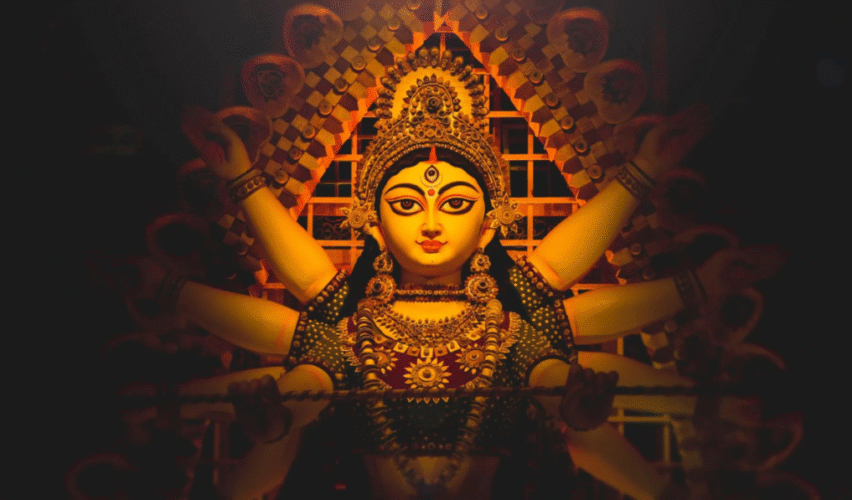
Chaitra Navratri 2026: Significance, Rituals, and the Nine Divine Forms of Maa Durga
Navratri, meaning nine nights, is one of the most celebrated Hindu festivals that honors the divine feminine energy. The true definition of resolve and the power of a woman. This year, in 2026, Navratri will be observed from March 19 to March 27. Marking nine days of devotion, fasting, prayer, music, and cultural festivities. Each...
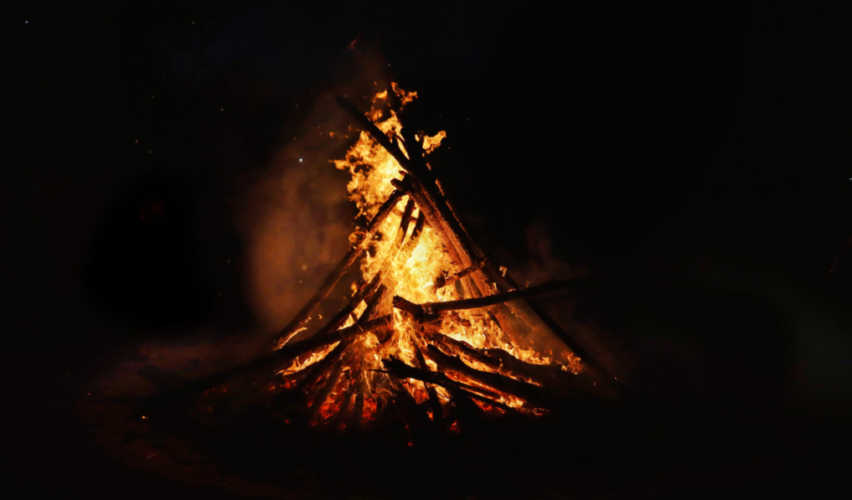
Holashtak to Holika Dahan 2026: Spiritual Countdown to Holi
The days leading up to Holi are not simply a waiting period. They are a carefully structured spiritual arc, beginning with the quiet restraint of Holashtak, building toward the purifying fire of Holika Dahan, and finally releasing into the joyful celebration of Holi. Understanding this arc transforms a cultural festival into a deeply...
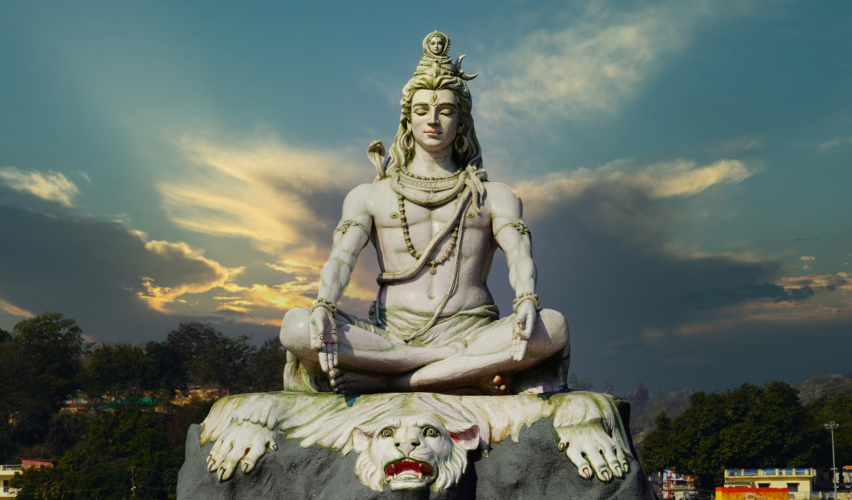
Maha Shivratri 2026: Date, Puja Timings, Vrat Vidhi, Rituals, and the Deeper Spiritual Meaning
Maha Shivratri, the sacred night dedicated to Lord Shiva, is one of the most spiritually powerful observances in the Hindu calendar. Celebrated as the great union of consciousness and energy, Shiv and Shakti. During the Maha Shivaratri festival, millions of devotees fast, stay awake, chant mantras, and perform abhishekam to the Shiva...
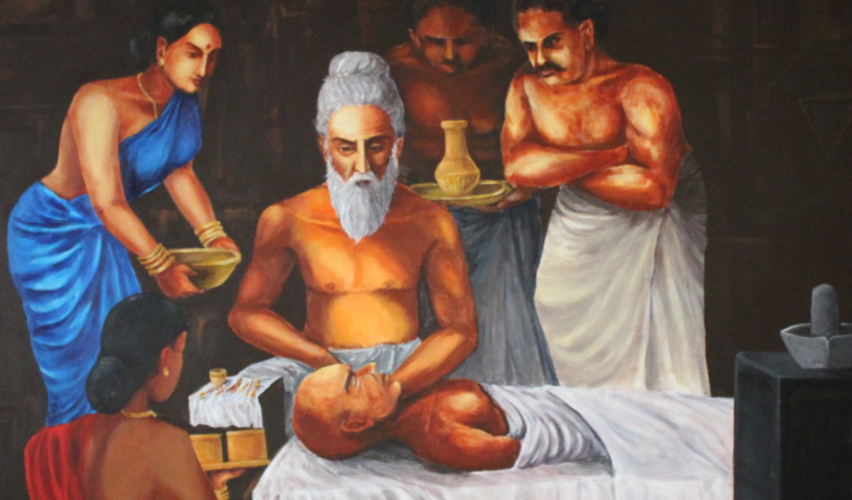
Who Was Sushruta and Why Is He Called the Father of Surgery?
When we hear words like surgery or rhinoplasty, we instinctively think of modern hospitals, precise instruments, and advanced technology. It feels impossible to imagine such precision without proper lights or machines. But still, more than two thousand years ago, an Indian physician was already performing complex surgical procedures with...
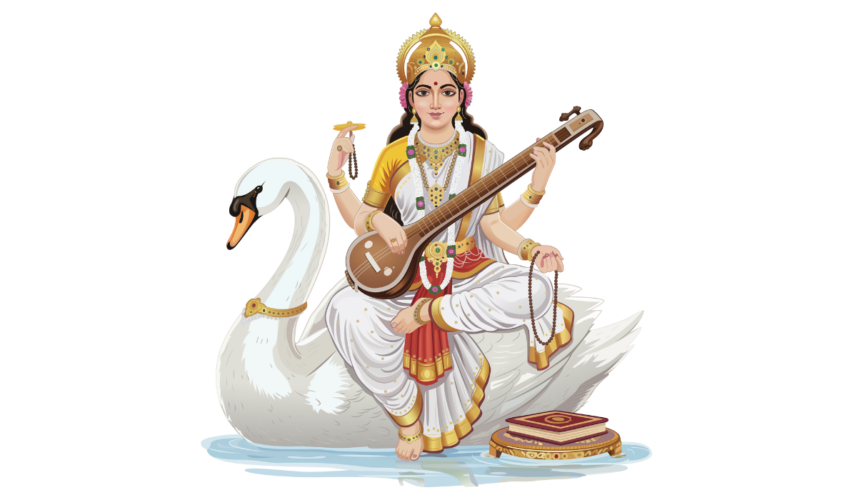
Why Vasant Panchami Is Dedicated to Knowledge, Learning, and New Beginnings?
Have you ever thought, why do we wear yellow on Vasant Panchami? Why is it celebrated as the arrival of spring and blooming flowers? Well, beneath its gentle beauty lies a deeper purpose. The significance of this day is not just a seasonal celebration. It is a reminder that growth begins with knowledge, clarity, and …...
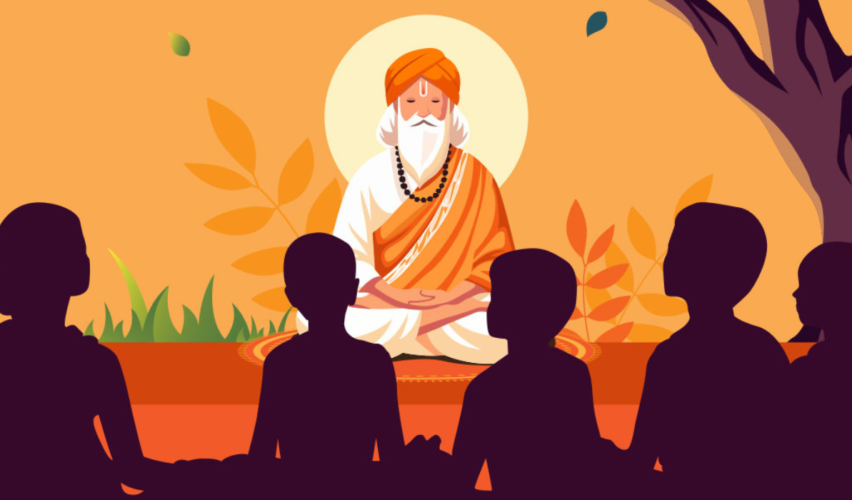
Who Broke India’s Gurukul System and Why It Never Recovered?
British education taught us to memorise dates, pass exams, and respect authority on paper. What it quietly erased was the fact that India already had a deeply functional Gurukul system long before classrooms had bells and chalk dust. The gurukul system was not primitive. It was inconvenient for invasion and colonial narratives. It was...
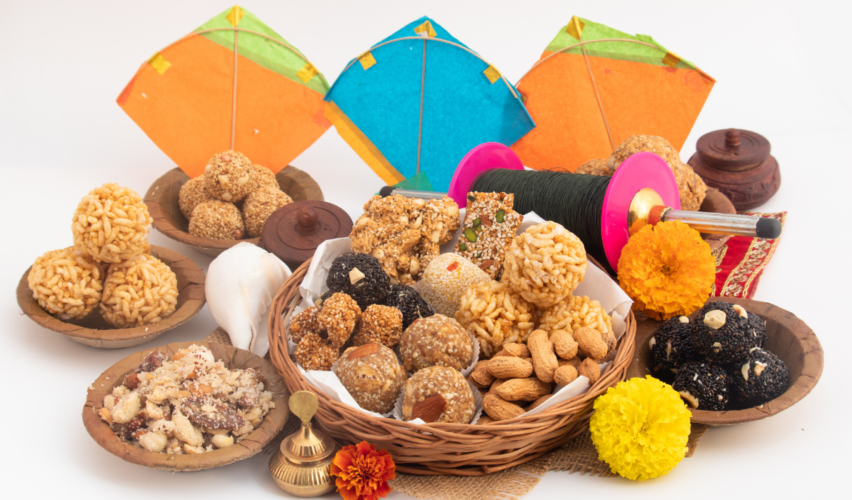
Makar Sankranti: The Solar Shift That Marks a New Phase of the Year
Every year, around mid-January, something quietly powerful happens in the sky. The Sun changes its direction. Days begin to stretch. Warmth slowly returns. And without dramatic announcements, Makar Sankranti arrives. Unlike most Hindu festivals that follow the Moon, the day listens to the Sun. It marks the moment when the Sun enters...

Lohri: A Festival Rooted in Winter, Harvest, and Community
The Lohri festival is one of the most grounded and meaningful celebrations in North India. Observed every year on 13 January, Lohri marks the end of peak winter and the beginning of longer, warmer days. Celebrated most prominently in Punjab, Haryana, and parts of North India, Lohri is deeply connected to agriculture, seasonal cycles, and...

Why Most Hindu Rituals Start at Sunrise And Why Modern Life Broke That Rhythm?
Most Hindu sunrise rituals begin at dawn not because sunrise is vaguely auspicious, but because classical Hindu texts treated sunrise as the natural beginning of the day. Time was measured by light, not by clocks. Rituals followed the body’s alignment with the sun, not convenience. What modern life calls religion was once a practical...
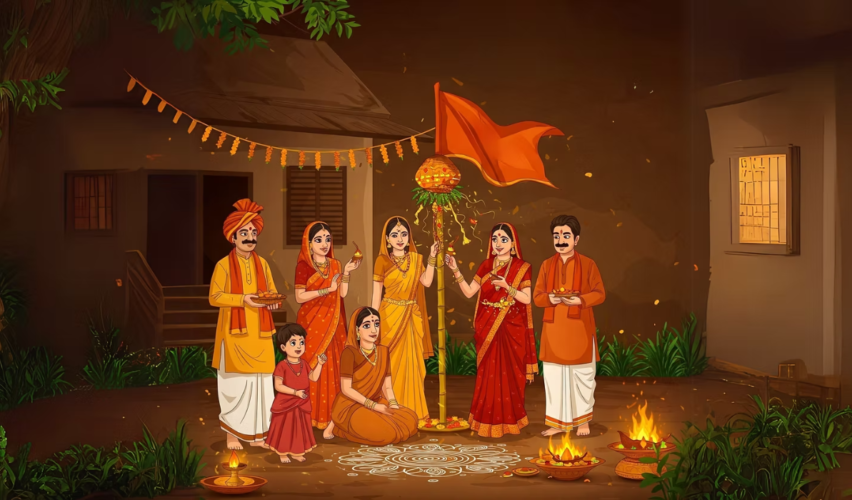
How Colonial Rule Changed the Way India Celebrates New Year?
January 1 feels familiar in India today, but it did not grow from our soil. It became the official New Year through colonial rule, when the Gregorian calendar was enforced for courts, taxes, land records, and administration. Following it was not a matter of preference. It was a condition for survival. Missing a date meant …...